

India Eyes Record $2 Billion Drone Purchase to Boost Defence Capabilities
Written byTimes India
Share
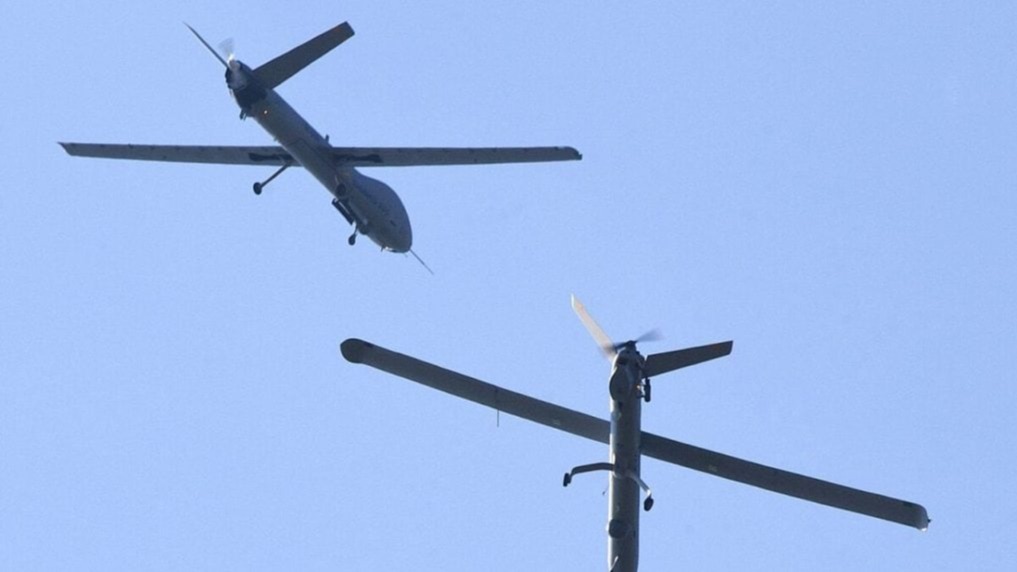
India is reportedly preparing for its largest-ever drone procurement program, with a potential order worth nearly $2 billion (around ₹17,000 crore). According to industry estimates, the planned acquisition could significantly strengthen the country's surveillance, reconnaissance, and combat capabilities while providing a major boost to India's growing drone manufacturing ecosystem.
The proposed purchase comes at a time when unmanned aerial systems are becoming increasingly important in modern warfare. Military forces around the world are investing heavily in drones for intelligence gathering, border monitoring, precision strikes, and logistics support.
If approved, the deal would represent one of the biggest drone acquisitions in India's defence history and highlight the country's focus on modernizing its armed forces.
Why Drones Are Becoming Essential
Over the past decade, drones have transformed military operations across the world.
Modern drones can perform a wide range of missions, including:
- Border surveillance
- Intelligence gathering
- Target tracking
- Reconnaissance operations
- Search and rescue missions
- Precision military strikes
Unlike traditional aircraft, drones can operate for extended periods without risking pilot lives, making them valuable assets for military planners.
Recent global conflicts have further demonstrated the effectiveness of unmanned systems in both offensive and defensive operations.
What the Proposed Order Could Include
While official details have not yet been announced, industry experts believe the procurement may involve multiple categories of drones.
These could include:
Surveillance Drones
Used for monitoring borders, sensitive installations, and military movements.
Combat Drones
Capable of carrying weapons and conducting precision strikes.
High-Altitude Long-Endurance (HALE) Drones
Designed for long-duration surveillance missions over large geographic areas.
Tactical Drones
Smaller systems used by military units for battlefield awareness.
The final composition of the order will depend on operational requirements identified by India's armed forces.
Boost for India's Defence Modernisation
India has been steadily modernizing its defence infrastructure to address evolving security challenges.
The increased use of drones aligns with broader efforts to enhance:
- Intelligence capabilities
- Border security
- Maritime surveillance
- Real-time battlefield awareness
Military experts believe unmanned systems will play an increasingly important role alongside traditional defence platforms.
Support for Domestic Manufacturing
A major drone procurement program could also provide opportunities for Indian defence manufacturers.
The government's focus on self-reliance in defence production has encouraged domestic companies to develop advanced drone technologies.
Industry observers expect that local manufacturers could benefit through:
- Production contracts
- Technology partnerships
- Component manufacturing
- Research and development investments
This would support India's broader goal of reducing dependence on imported defence equipment.
Growing Global Drone Market
The global drone industry has experienced rapid growth in recent years.
Countries worldwide are increasing investments in unmanned technologies due to their:
- Cost-effectiveness
- Operational flexibility
- Advanced surveillance capabilities
- Lower risk to personnel
Military drone programs have become a priority for many nations seeking to strengthen national security.
India's reported procurement plans reflect this broader international trend.
Importance for Border Security
India's extensive land borders and maritime boundaries require continuous monitoring.
Drones offer several advantages for border management:
- Real-time intelligence
- Continuous surveillance
- Rapid deployment
- Access to difficult terrain
These capabilities are especially valuable in remote and sensitive regions where traditional monitoring methods may be challenging.
Technology Driving Modern Warfare
Modern defence strategies increasingly rely on advanced technologies such as:
- Artificial intelligence
- Autonomous systems
- Satellite communications
- Advanced sensors
- Data analytics
Drones often combine several of these technologies, making them key components of future military operations.
Experts believe unmanned systems will become even more sophisticated in the coming years.
Economic Impact of Large Defence Orders
Major defence acquisitions often have economic benefits beyond military capabilities.
Large procurement programs can:
- Generate employment
- Encourage innovation
- Support manufacturing growth
- Strengthen supply chains
For the drone sector, a substantial order could accelerate investment and technological development across the industry.
Challenges Ahead
Despite their advantages, drone programs also face challenges, including:
- Cybersecurity concerns
- Operational integration
- Regulatory requirements
- Maintenance and training needs
Defence planners must ensure that new systems are effectively integrated into existing military structures.
Future of Drone Warfare
Analysts believe drones will continue reshaping military operations worldwide.
Future developments may include:
- Swarm drone technology
- Greater autonomy
- Enhanced artificial intelligence
- Improved endurance and range
- Advanced electronic warfare capabilities
Countries investing early in drone technologies are expected to gain important strategic advantages.
India's reported plan for a $2-billion drone acquisition highlights the growing importance of unmanned systems in modern defence strategy. If finalized, the deal would represent the country's largest drone procurement to date and significantly enhance surveillance, reconnaissance, and operational capabilities.
Beyond strengthening national security, the move could provide a major boost to India's domestic drone industry and support broader defence modernization efforts. As military technology continues to evolve, drones are expected to play an increasingly central role in the future of warfare.